
|
Getting your Trinity Audio player ready...
|
Rugs play a crucial role in shaping the overall look and feel of a space. When chosen correctly, rugs for home can enhance aesthetics, add warmth, and define different areas within a room without making the design feel overwhelming. Many homeowners make the mistake of overdecorating with bold patterns and excessive elements, which can clutter the visual appeal. However, the right rug acts as a subtle design anchor, bringing harmony and balance to interiors.
In modern homes, minimalism and functionality are key design principles. A well-selected rug can complement furniture, improve comfort, and create a cohesive environment. Whether it is a living room, bedroom, or hallway, rugs serve both decorative and practical purposes.
2. Understanding the Concept of Balanced Interior Styling
Balanced interior styling is about achieving harmony between different design elements without overcrowding the space. Rugs play an essential role in this balance by grounding furniture and creating visual flow.
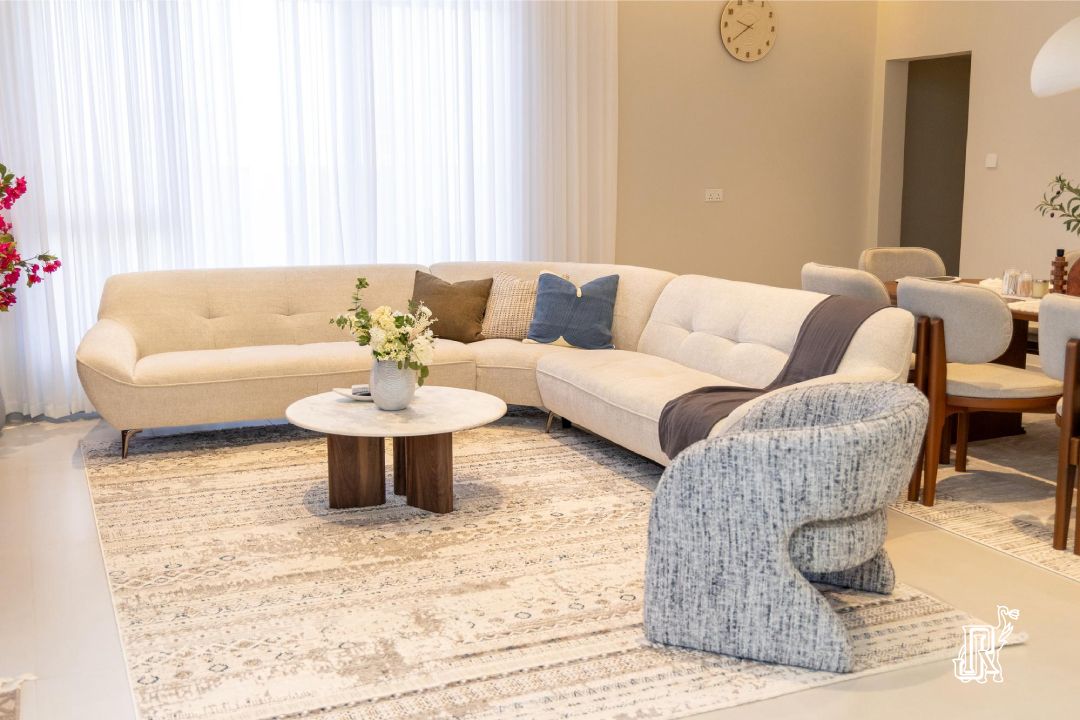
When using rugs for home, it is important to consider proportion and placement. A rug that is too small can make the room feel disconnected, while an oversized rug may dominate the space. The goal is to create a natural flow where every element feels connected but not excessive.
Neutral tones and subtle textures often work best for maintaining balance. Instead of choosing overly intricate designs, opt for rugs that enhance the existing decor. This approach ensures that the space feels elegant and not overdesigned.
3. Choosing the Right Size and Placement of Rugs
One of the most important aspects of selecting rugs is choosing the correct size. Proper sizing ensures that the rug complements the layout rather than disrupting it. Placement is equally important. In bedrooms, rugs can be placed partially under the bed to provide comfort and visual symmetry. For dining areas, the rug should extend beyond the table to accommodate chairs comfortably.
Correct sizing and placement prevent clutter and contribute to a clean, sophisticated design.
4. Selecting Colors and Patterns Without Overpowering the Space
Color selection plays a significant role in ensuring that your interiors remain visually appealing without becoming overwhelming. Rugs for home should complement the existing color palette rather than compete with it.
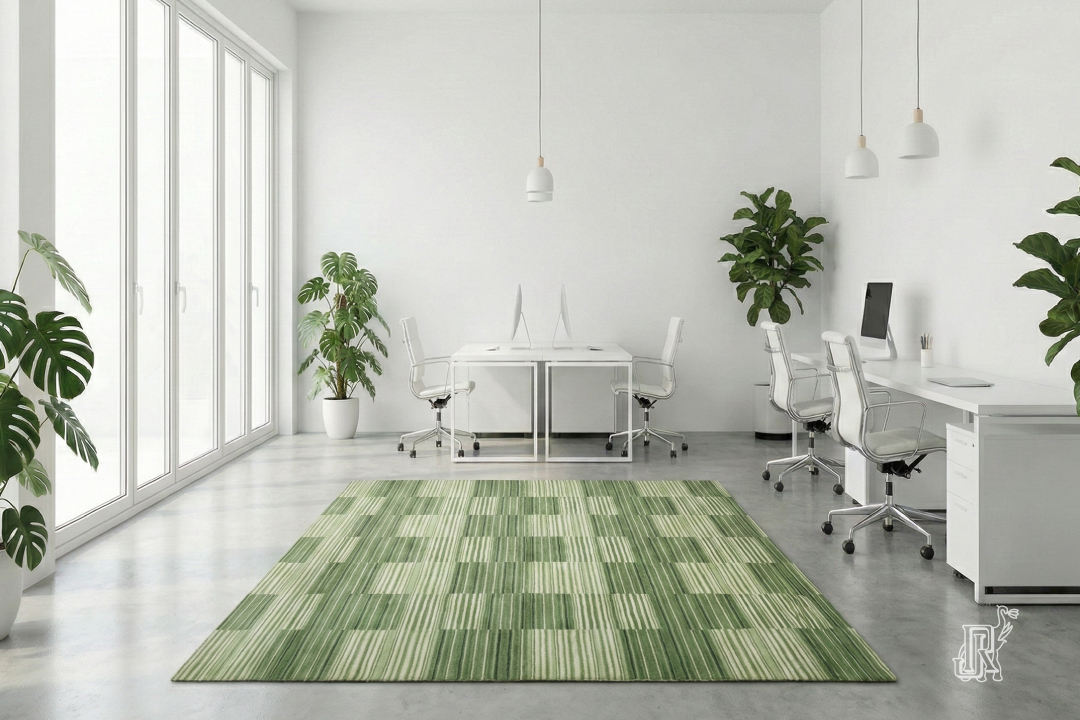
Neutral shades such as beige, grey, and earthy tones are versatile and blend seamlessly with most interiors. These colors help create a calm and inviting atmosphere. If you prefer patterns, opt for minimal or geometric designs that add character without dominating the space.
Avoid combining multiple bold patterns within the same room, as this can lead to visual clutter. Instead, let the rug act as a subtle accent that enhances the overall theme.
5. Material and Texture: Adding Depth Without Clutter
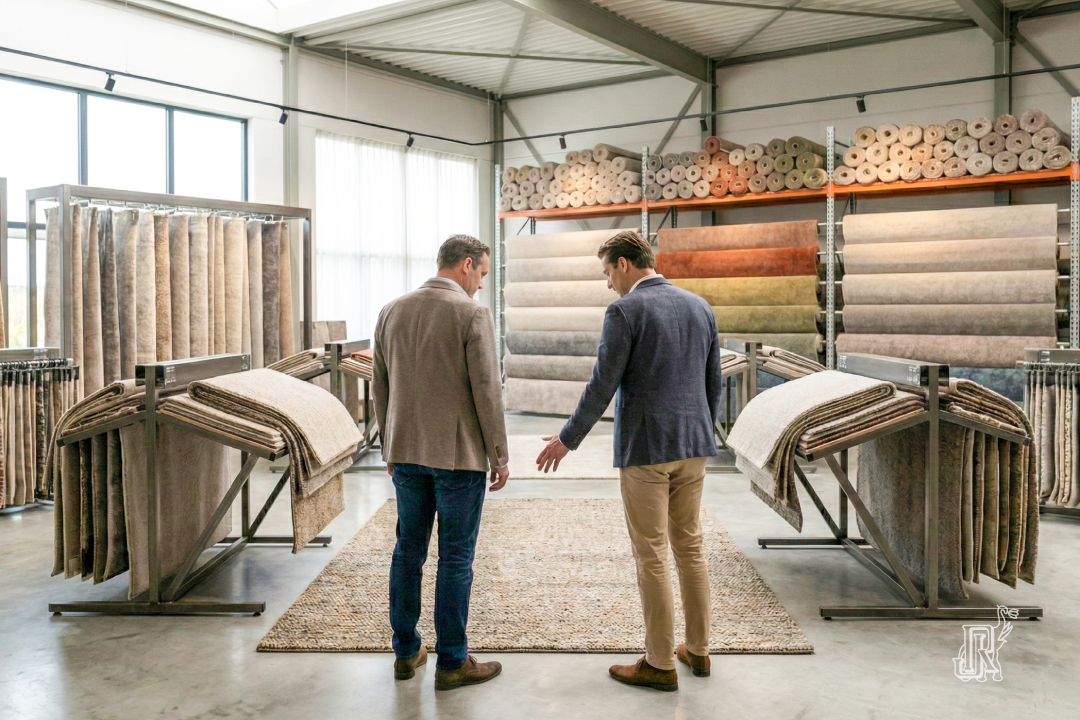
The material and texture of a rug significantly impact both aesthetics and functionality. Different materials offer varying levels of comfort, durability, and maintenance requirements.
For everyday use, washable rugs are a practical choice as they are easy to maintain and ideal for high-traffic areas. Handmade rugs, on the other hand, provide a premium look and feel, making them suitable for formal spaces.
Textures such as low-pile or medium-pile rugs work best for maintaining a clean and modern appearance. They add depth to the room without making it feel heavy or cluttered. Choosing the right material ensures long-term usability while maintaining style.
6. Practical Tips to Enhance Interiors with Rugs
To make the most of rugs without overdesigning, it is important to follow a few practical guidelines. First, always align the rug with your furniture layout to create a cohesive look. Second, avoid overcrowding the space with multiple rugs unless they serve a clear purpose.
Layering can be used strategically in larger rooms, but it should be done carefully to maintain balance. Additionally, consider lighting and how it interacts with the rug’s color and texture, as this can influence the overall ambiance.
Regular maintenance also plays a role in preserving the appearance of rugs. Clean and well-maintained rugs contribute to a polished and refined interior.
Conclusion
The right rugs for home can transform any interior space by adding warmth, structure, and elegance without overdesigning. By focusing on size, color, material, and placement, you can create a balanced environment that feels both stylish and functional. A thoughtfully chosen rug not only enhances visual appeal but also brings harmony to your living space, making it more comfortable and inviting.
FAQs
Q1. How do I choose the right rug for my home?
Choose a rug based on room size, furniture layout, and color scheme to maintain balance.
Q2. Can rugs make a room look bigger?
Yes, using the correct size and placement can visually expand a room.
Q3. Are neutral rugs better for interiors?
Neutral rugs are versatile and help maintain